Welcome to Glebelands Practice - a Care Navigation & eConsult Practice,Investing in the Future of Healthcare – Proudly mentoring and training GP trainees, paramedics, and medical students
Latest News at Glebelands Practice

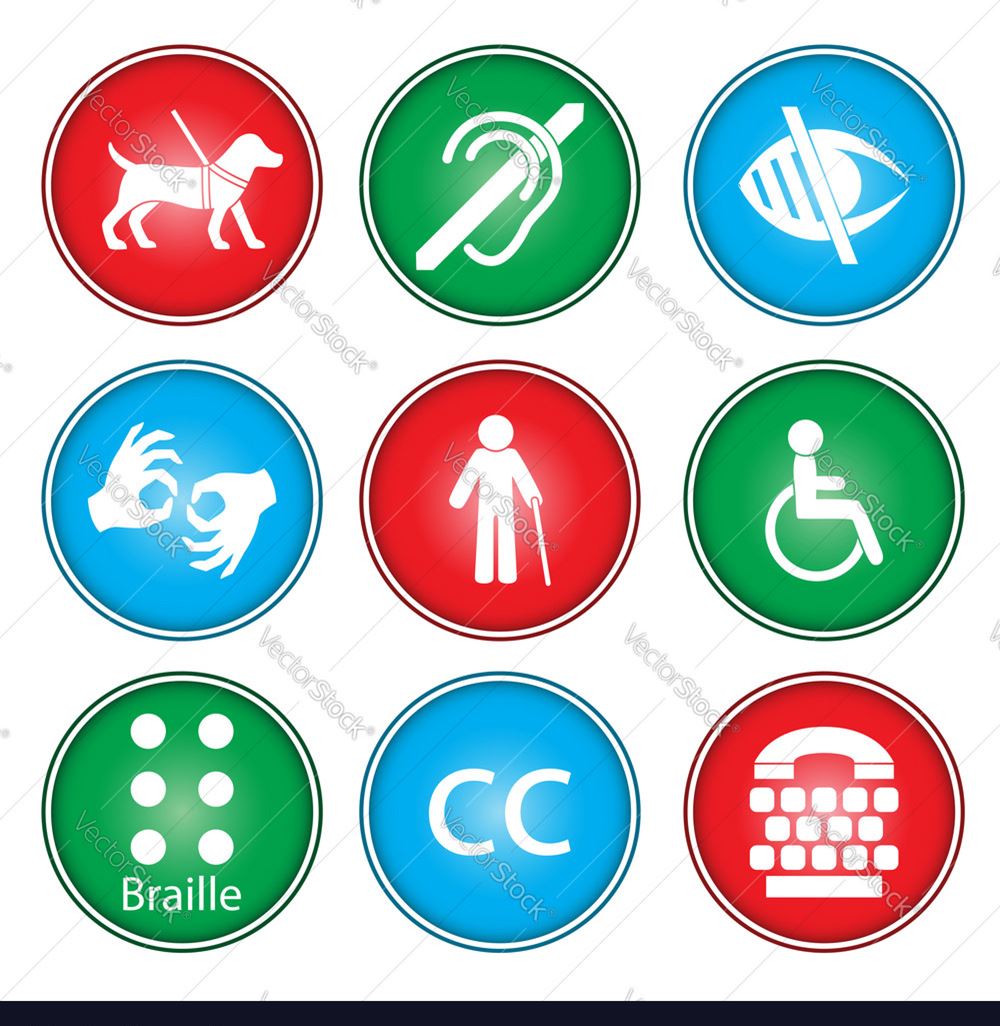
Accessibility...Did you know...?
We are here to try and make our practice as accessible as possible for ALL our patients.
Amongst some of the services that we provide here at Glebelands are;
- Language interpreatation service (in partnership with TLS - The Language Shop - https://languageshop.org/)
- British Sign Language via video calling (in partnership with TLS - The Language Shop - https://languageshop.org/)
- Hearing loop at reception
- Braille written documents on a variety of NHS topics and conditions
- Easy Read documents on a variety of NHS topics and conditions
- Chaparones - always available on request before and during appointments.
- We are a "Guide Dog" friendly practice
- There is a sloped entrance to the practice, allowing easier access to wheelchair and walker users, alongside 2 x disabled parking right outside the entrance.
- We are a "Breastfeeding Friendly" practice and can provide a safe, warm space for you to tend to your child.
- We are an LGBTQ+ friendly practice.
- 99 BSL - YouTube
For more information in "Easy Read" format, please visit https://www.easyhealth.org.uk/
For more information about how our website works and how it can help you, or to feedback about any accessibility issues, please go to the "Accessibility" page of our website

🩸 New Phlebotomy Service Available
🩸 New Phlebotomy Service Available
Blood test appointments are now available every Monday and Thursday from 8:00 am to 2:30 pm. Please contact reception to book an appointment.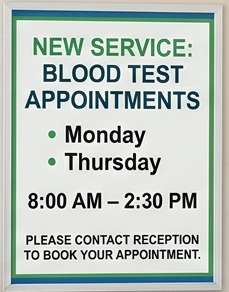




OTHER ROOMS



Empower a child. Foster for Redbridge.
You could be the one to guide, listen to, teach, and enrich a child’s life, empowering them to become confident and independent young people.
If you have a place in your home and heart to foster a child, please call us on 020 8708 6068 or join us on our next virtual information session to find out more. Visit https://www.redbridge.gov.uk/fosteringnhs to book a place.
https://www.redbridge.gov.uk/adult-and-childrens-services/fostering/
Complaints Procedure - Changes to the patient complaints process
From 1 July 2023 the way members of the public make a complaint about GP services to the commissioner is changing and they will now need to contact NHS North East London instead of NHS England.
-
Patients can do this by:
- Telephone - 020 8221 5750 (It will have a voicemail facility for people to leave messages)
- Email - nelondonicb.complaints@nhs.net
- Writing to us at; Complaints Team, NHS North East London ICB, 4th Floor, Unex Tower, 5 Station Street, London E15 1DA
-
Independent Advice and Advocacy Support:
You can get free support, at any time, from your local independent complaint’s advocacy service. The details are as follows:
Redbridge and Waltham Forest:
This service is provided by Voiceability, an Independent Complaints Advocacy Service. You can contact them by:
Telephone: 0300 303 1660, Email: helpline@voiceability.org
Please click here to download our Complaints Procedure policy.
Please click here to fill out our Complaints Procedure Form

Recording Of Telephone Conversations
- We may record telephone calls to:
- Review and improve services
- Monitor and review quality of care
- Train, develop and manage staff and medical trainees
- Prevent, detect, investigate and prosecute allegations, complaints, claims and / or fraud relating to patients, other organisations or our staff
- Protect staff and patients
We do this in the interests of offering a good service to our service users, patient safety, being a good employer and to protect public funds.
- How will call recordings be used:
- Quality monitoring: Written records only provide partial information. A call recording provides a more rounded view and allows us to better understand patient and staff experience and assess the processes applied. This can help us identify any improvement areas.
- Training and development: Listening to a sample number of calls allows managers to identify training needs. Call recordings may also be used as part of training for medical students, GP registrars and other clinical staff in training at the practice. This is part of their clinical skills development.
- Gaining a better understanding of our patients: Many calls are verbally resolved without the need to complete records. Listening to sample calls will help us better understand our patient and staff needs and gain a more informed view of organisations we signpost to.
- Complaints and disputes: Some calls are verbally resolved. Where information is entered onto an electronic system this becomes the established record. In the event of a complaint or dispute, a call recording (if possible), may provide additional information to help us investigate and resolve
- Employee safety and wellbeing: A recording may become a vital piece of evidence in the event of any threats being made to the organisation or an individual or in dealing with employment-related matters.
- How your information is shared
Generally, call recordings are not shared. In certain circumstances, for example to comply with a court order or carry out a legislative requirement, we may share call recordings.
- How long we keep your call recording
General call recordings will be retained for up to 36 months from the date of creation. The retention period is in line with the Records Management Code of Practice for Health and Social Care 2016.
- Can I request a copy of my call record?
If the recording is still available, you can request a copy of your conversation by contacting the surgery. This information will be provided to you in accordance with the terms of the Data Protection Act 1998.
- What we use your data for (including call recordings). Your data is processed to:
- Review and improve services
- Check and review quality of care
- Train, develop and manage staff and medical trainees
- Prevent, detect, investigate, and prosecute allegations, complaints, claims and / or fraud relating to patients, other organisations, or our staff
- Protect staff and patients
Changes to Prescribing of Over-the-Counter (OTC) Medicines
In line with guidance from the Redbridge Medicines Management Team and NHS ENGLAND, GP practices are being asked to reduce and restrict prescribing of medicines that are available to buy over the counter.
What does this mean?
We will no longer be able to carry on routinely prescribe treatments for minor or self-limiting conditions where medicines can be purchased without a prescription.
Examples include:
- Paracetamol (including Calpol)
- Ibuprofen and topical anti-inflammatory gels
- Antihistamines for allergies and hay fever that are available OTC
- Head lice treatments
- Emollients and soap substitutes
- Nappy rash creams (e.g. Sudocrem)
- Vitamins, minerals, probiotics, and nutritional supplements
- Other minor ailment and self-care products
Why is this happening?
This follows NHS England guidance, which advises that OTC items should not be routinely prescribed where:
- There is limited evidence of clinical effectiveness.
- The condition is self-limiting.
- The condition is suitable for self-care.
- In particular, vitamins, minerals, probiotics, and many nutritional supplements are restricted due to limited evidence of benefit in most patients.
When can prescriptions still be provided?
In some cases, prescriptions may still be issued, including:
- Patients with long-term conditions requiring regular treatment
- Where there is a clear clinical need.
What should you do?
- Your local pharmacist is highly trained and can provide advice and recommend appropriate treatments without the need for a GP appointment.
- NHS guidance highlights the important role of community pharmacists in managing minor conditions and supporting self-care
- We appreciate your understanding and cooperation in helping us deliver safe, effective, and sustainable NHS care.
Further information
For full national guidance, please see:https://www.england.nhs.uk/long-read/policy-guidance-conditions-for-which-over-the-counter-items-should-not-be-routinely-prescribed-in-primary-care/
GP Partners
Dr Sri Aravindhan
Dr Abhishek Bari
Private prescriptions
Dear patient,
If you have been issued a private prescription by a consultant, please be aware that converting this to an NHS prescription is not automatic.
GPs are not contractually obliged to convert private prescriptions into NHS prescriptions.
Any request to do so is at the GP’s discretion and will be considered on a case-by-case basis.
If appropriate, the GP may issue an NHS prescription after reviewing:
• The clinical information provided
• Whether the medication is in line with local and NHS prescribing guidance
• Safety and monitoring requirements
Please allow up to 72 hours (3 working days) for a decision once all relevant information has been received.
In some cases, we may advise that the private prescription should continue to be issued by your specialist.
Thank you for your understanding.
Kind regards,
Glebelands Practice
Reach out- Redbridge Domestic Abuse Service

Type 1 Diabetes mellitus
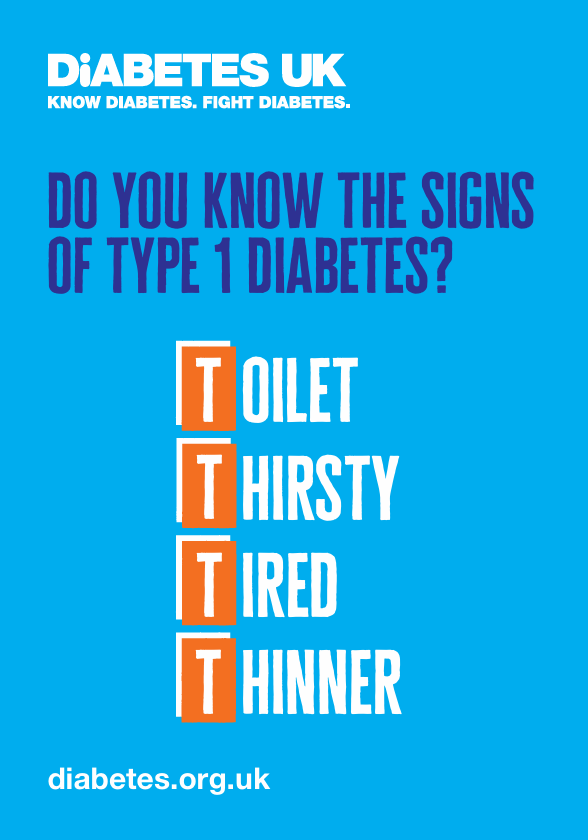
DO YOU KNOW THE SIGNS
OF TYPE 1 DIABETES?
T OILET
T HIRSTY
T IRED
T HINNER
NHS A-Z conditions
- Abdominal aortic aneurysm
- Acanthosis nigricans
- Achalasia
- Acid and chemical burns
- Acid reflux in babies, see Reflux in babies
- Acid reflux, see Heartburn and acid reflux
- Acne
- Acoustic neuroma (vestibular schwannoma)
- Acromegaly
- Actinic keratoses (solar keratoses)
- Actinomycosis
- Acute cholecystitis
- Acute kidney injury (AKI)
- Acute lymphoblastic leukaemia
- Acute myeloid leukaemia
- Acute pancreatitis
- Acute respiratory distress syndrome (ARDS)
- Addison's disease
- Adenomyosis
- ADHD in adults
- ADHD in children and young people
- Age-related macular degeneration (AMD)
- Agoraphobia
- AKI, see Acute kidney injury (AKI)
- Albinism
- Alcohol poisoning
- Alcohol-related liver disease
- Alcohol-use disorder
- Allergic rhinitis
- Allergies
- Altitude sickness
- Alzheimer's disease
- Amblyopia, see Lazy eye
- Amyloidosis
- Anabolic steroid misuse
- Anaemia (iron deficiency), see Iron deficiency anaemia
- Anaemia (vitamin B12 or folate deficiency), see Vitamin B12 or folate deficiency anaemia
- Anal cancer
- Anal fissure
- Anal fistula
- Anaphylaxis
- Androgen insensitivity syndrome
- Aneurysm (abdominal aortic), see Abdominal aortic aneurysm
- Aneurysm (brain), see Brain aneurysm
- Angelman syndrome
- Angina
- Angioedema
- Animal and human bites
- Ankles (swollen), see Swollen ankles, feet and legs (oedema)
- Ankylosing spondylitis
- Anorexia nervosa
- Antiphospholipid syndrome (APS)
- Anxiety disorders in children
- Anxiety in pregnancy
- Aphasia
- Appendicitis
- Arrhythmia, see Heart rhythm problems (arrhythmia)
- Arthritis
- Asbestosis
- Aspergillosis
- Asthma
- Astigmatism
- Ataxia
- Atherosclerosis
- Athlete's foot
- Atopic eczema
- Atrial fibrillation
- Auditory processing disorder (APD)
- Autism
- Autosomal dominant polycystic kidney disease
- Autosomal recessive polycystic kidney disease
- Avian flu, see Bird flu
B
- Back pain
- Bacterial vaginosis
- Baker's cyst
- Balanitis
- Bartholin's cyst
- Bedbugs
- Behçet's disease
- Bell's palsy
- Benign brain tumours, see Non-cancerous (benign) brain tumours
- Benign prostate enlargement, see Enlarged prostate
- Bile duct cancer (cholangiocarcinoma)
- Bilharzia, see Schistosomiasis (bilharzia)
- Binge eating disorder
- Bipolar disorder
- Bird flu
- Birthmarks
- Bite (animal or human), see Animal and human bites
- Black eye
- Bladder cancer
- Bladder pain syndrome (BPS)
- Bladder stones
- Blepharitis
- Blisters
- Blood pressure (high), see High blood pressure
- Blood pressure (low), see Low blood pressure (hypotension)
- Body dysmorphic disorder (BDD)
- Boils
- Bone cancer
- Bone cyst
- Borderline personality disorder
- Botulism
- Bowel cancer
- Bowel incontinence
- Bowel polyps
- Bowen's disease
- Brachycephaly and plagiocephaly, see Flat head syndrome (plagiocephaly and brachycephaly)
- Brain abscess
- Brain aneurysm
- Brain death
- Brain haemorrhage, see Subarachnoid haemorrhage
- Brain tumours
- Brain tumours (benign), see Non-cancerous (benign) brain tumours
- Breast abscess
- Breast cancer in men
- Breast cancer in women
- Breath-holding in babies and children
- Broken ankle
- Broken arm or wrist
- Broken collarbone
- Broken finger or thumb
- Broken hip
- Broken leg
- Broken nose
- Broken or bruised ribs
- Broken toe
- Bronchiectasis
- Bronchiolitis
- Bronchitis
- Brucellosis
- Brugada syndrome
- Bulimia
- Bullous pemphigoid
- Bunions
- Burns and scalds
- Bursitis
C
- Cancer
- Carbon monoxide poisoning
- Cardiomyopathy
- Cardiovascular disease
- Carpal tunnel syndrome
- Cat bites, see Animal and human bites
- Cataracts (children), see Childhood cataracts
- Cataracts in adults
- Catarrh
- Cavernoma
- Cellulitis
- Cerebral palsy
- Cervical cancer
- Cervical spondylosis
- Charcot-Marie-Tooth disease
- Charles Bonnet syndrome
- Chest infection
- Chiari malformation
- Chickenpox
- Chilblains
- Childhood cataracts
- Chipped, broken or cracked tooth
- Chlamydia
- Cholecystitis (acute), see Acute cholecystitis
- Cholera
- Cholesteatoma
- Cholesterol (high), see High cholesterol
- Chronic fatigue syndrome (ME/CFS), see Myalgic encephalomyelitis or chronic fatigue syndrome (ME/CFS)
- Chronic kidney disease
- Chronic lymphocytic leukaemia
- Chronic myeloid leukaemia
- Chronic obstructive pulmonary disease (COPD)
- Chronic pancreatitis
- Chronic traumatic encephalopathy
- Cirrhosis
- CJD, see Creutzfeldt-Jakob disease
- Claustrophobia
- Cleft lip and palate
- Clostridioides difficile (C. diff) infection
- Clubfoot
- Cluster headaches
- Coccyx pain, see Tailbone (coccyx) pain
- Coeliac disease
- Cold sores
- Colic
- Colon cancer, see Bowel cancer
- Colour vision deficiency (colour blindness)
- Common cold
- Compartment syndrome
- Complex regional pain syndrome
- Concussion, see Head injury and concussion
- Congenital heart disease
- Congenital hip dislocation, see Developmental dysplasia of the hip
- Conjunctivitis
- Constipation
- Contact dermatitis
- Corns and calluses
- Coronary heart disease
- Coronavirus, see COVID-19
- Corticobasal degeneration
- Costochondritis
- COVID-19
- Cradle cap
- Craniosynostosis
- Creutzfeldt-Jakob disease
- Crohn's disease
- Croup
- Cushing's syndrome
- Cuts and grazes
- Cyclical vomiting syndrome
- Cyclospora
- Cyclothymia
- Cystic fibrosis
- Cystitis, see Urinary tract infections (UTIs)
- Cytomegalovirus (CMV)
D
- Dandruff
- Deafness, see Hearing loss
- Dehydration
- Dementia
- Dementia (frontotemporal), see Frontotemporal dementia
- Dementia (vascular), see Vascular dementia
- Dementia with Lewy bodies
- Dengue
- Dental abscess
- Depression
- Depression in adults
- Detached retina (retinal detachment)
- Developmental co-ordination disorder (dyspraxia) in adults, see Dyspraxia in adults
- Developmental co-ordination disorder (dyspraxia) in children
- Developmental dysplasia of the hip
- Diabetes
- Diabetes (type 1), see Type 1 diabetes
- Diabetes (type 2), see Type 2 diabetes
- Diabetes in pregnancy, see Gestational diabetes
- Diabetes insipidus
- Diabetic ketoacidosis
- Diabetic retinopathy
- Differences in sex development
- DiGeorge syndrome (22q11 deletion)
- Diphtheria
- Discoid eczema
- Dislocated kneecap
- Dislocated shoulder
- Dissociative disorders
- Diverticular disease and diverticulitis
- Dog bites, see Animal and human bites
- Down's syndrome
- Dupuytren's contracture
- DVT (deep vein thrombosis)
- Dwarfism, see Restricted growth (dwarfism)
- Dysarthria (difficulty speaking)
- Dysentery
- Dyslexia in adults
- Dyslexia in children
- Dyspraxia in adults
- Dyspraxia in children, see Developmental co-ordination disorder (dyspraxia) in children
- Dystonia
E
- Ear infections
- Eardrum (burst), see Perforated eardrum
- Early or delayed puberty
- Early or premature menopause
- Earwax build-up
- Eating disorders
- Ebola virus disease
- Ectopic pregnancy
- Ectropion
- Eczema (atopic), see Atopic eczema
- Eczema (contact dermatitis), see Contact dermatitis
- Eczema (discoid), see Discoid eczema
- Eczema (varicose), see Varicose eczema
- Edwards' syndrome (trisomy 18)
- Ehlers-Danlos syndromes
- Ejaculation problems
- Encephalitis
- Endocarditis
- Endometrial cancer, see Womb (uterus) cancer
- Endometriosis
- Enlarged prostate
- Epidermolysis bullosa
- Epididymitis
- Epiglottitis
- Epilepsy
- Erectile dysfunction (impotence)
- Erythema multiforme
- Erythema nodosum
- Erythrocytosis
- Erythromelalgia
- Excessive daytime sleepiness (hypersomnia)
- Excessive sweating (hyperhidrosis)
- Eye cancer
- Eye cancer in children, see Retinoblastoma
- Eye infection (herpes), see Herpes simplex eye infections
- Eye injuries
F
- Fabricated or induced illness
- Face blindness, see Prosopagnosia (face blindness)
- Falls
- Febrile seizures
- Female genital mutilation (FGM)
- Fetal alcohol spectrum disorder
- Fibroids
- Fibromyalgia
- Fits (children with fever), see Febrile seizures
- Flat feet
- Flat head syndrome (plagiocephaly and brachycephaly)
- Flat head syndrome, see Flat head syndrome (plagiocephaly and brachycephaly)
- Flu
- Food allergy
- Food intolerance
- Food poisoning
- Foot drop
- Foreskin problems, see Tight foreskin (phimosis)
- Frontotemporal dementia
- Frostbite
- Frozen shoulder
- Functional neurological disorder, see Medically unexplained symptoms
- Fungal nail infection
G
- Gallbladder cancer
- Gallbladder pain, see Acute cholecystitis
- Gallstones
- Ganglion cyst
- Gangrene
- Gastritis
- Gastro-oesophageal reflux disease (GORD), see Heartburn and acid reflux
- Gastroparesis
- Gender dysphoria and incongruence
- Generalised anxiety disorder (GAD)
- Genital herpes
- Genital warts
- German measles, see Rubella (german measles)
- Gestational diabetes
- Giant cell arteritis, see Temporal arteritis
- Giardiasis
- Gilbert's syndrome
- Glandular fever
- Glaucoma
- Glomerulonephritis
- Glue ear
- Goitre
- Gonorrhoea
- Gout
- Granuloma annulare
- Granulomatosis with polyangiitis (GPA)
- Group B strep
- Growing pains
- Guillain-Barré syndrome
- Gum disease
- Gynaecomastia
H
- Haemochromatosis
- Haemolytic disease of the fetus and newborn (HDFN)
- Haemophilia
- Haemophilus influenzae type b (Hib)
- Haemorrhoids, see Piles (haemorrhoids)
- Hamstring injury
- Hand, foot and mouth disease
- Hantavirus
- Hay fever
- Head injury and concussion
- Head lice and nits
- Headaches
- Headaches (tension-type), see Tension headaches
- Health anxiety
- Hearing loss
- Heart attack
- Heart block
- Heart disease (coronary), see Coronary heart disease
- Heart failure
- Heart rhythm problems (arrhythmia)
- Heart valve disease
- Heartburn and acid reflux
- Heat exhaustion and heatstroke
- Heat rash (prickly heat)
- Heavy periods
- Henoch-Schönlein purpura (HSP)
- Hepatitis
- Hepatitis A
- Hepatitis B
- Hepatitis C
- Hereditary haemorrhagic telangiectasia (HHT)
- Hereditary spastic paraplegia
- Hernia
- Hernia (hiatus), see Hiatus hernia
- Hernia (umbilical), see Umbilical hernia
- Herpes (genital), see Genital herpes
- Herpes in babies, see Neonatal herpes (herpes in a baby)
- Herpes simplex eye infections
- Herpetic whitlow (whitlow finger)
- Hiatus hernia
- Hib, see Haemophilus influenzae type b (Hib)
- Hidradenitis suppurativa (HS)
- High blood pressure
- High blood sugar (hyperglycaemia)
- High cholesterol
- Hip dysplasia, see Developmental dysplasia of the hip
- Hirschsprung's disease
- HIV and AIDS
- Hives
- Hoarding disorder
- Hodgkin lymphoma
- Hookworm, see Worms in humans
- Hughes syndrome, see Antiphospholipid syndrome (APS)
- Human bites, see Animal and human bites
- Human papillomavirus (HPV)
- Huntington's disease
- Hydrocephalus
- Hydronephrosis
- Hyperacusis, see Noise sensitivity (hyperacusis)
- Hyperhidrosis, see Excessive sweating (hyperhidrosis)
- Hyperparathyroidism
- Hypersomnia, see Excessive daytime sleepiness (hypersomnia)
- Hypertension, see High blood pressure
- Hyperthyroidism, see Overactive thyroid (hyperthyroidism)
- Hypoglycaemia, see Low blood sugar (hypoglycaemia)
- Hypoparathyroidism
- Hypotension, see Low blood pressure (hypotension)
- Hypothermia
- Hypothyroidism, see Underactive thyroid (hypothyroidism)
I
- IBD, see Inflammatory bowel disease
- Ichthyosis
- Idiopathic pulmonary fibrosis
- Impetigo
- Impotence, see Erectile dysfunction (impotence)
- Incontinence (bowel), see Bowel incontinence
- Incontinence (urinary), see Urinary incontinence
- Indigestion
- Infected piercings
- Infertility
- Inflammatory bowel disease
- Influenza, see Flu
- Ingrown hairs
- Ingrown toenail
- Insect bites and stings
- Insomnia
- Intersex, see Differences in sex development
- Interstitial cystitis, see Bladder pain syndrome (BPS)
- Intracranial hypertension
- Iron deficiency anaemia
- Irritable bowel syndrome (IBS)
L
- Labial fusion
- Labyrinthitis and vestibular neuritis
- Lactose intolerance
- Lambert-Eaton myasthenic syndrome
- Laryngeal cancer
- Laryngitis
- Lazy eye
- Learning disabilities
- Leg cramps
- Leg ulcer, see Venous leg ulcer
- Legionnaires' disease
- Leptospirosis (Weil's disease)
- Leukaemia (acute lymphoblastic), see Acute lymphoblastic leukaemia
- Leukaemia (acute myeloid), see Acute myeloid leukaemia
- Leukaemia (chronic lymphocytic), see Chronic lymphocytic leukaemia
- Leukoplakia
- Lichen planus
- Lichen sclerosus
- Lipoedema
- Lipoma
- Listeriosis
- Liver cancer
- Liver disease
- Liver disease (alcohol-related), see Alcohol-related liver disease
- Long COVID
- Long QT syndrome
- Long-sightedness
- Low blood pressure (hypotension)
- Low blood sugar (hypoglycaemia)
- Low sperm count
- Low white blood cell count
- Low-grade brain tumours, see Non-cancerous (benign) brain tumours
- Lung cancer
- Lupus
- Lyme disease
- Lymphoedema
- Lymphoma (Hodgkin), see Hodgkin lymphoma
- Lymphoma (non-Hodgkin, see Non-Hodgkin lymphoma
M
- Macular degeneration (age-related), see Age-related macular degeneration (AMD)
- Macular hole
- Malaria
- Male menopause, see The 'male menopause'
- Malignant brain tumour (brain cancer)
- Mallet finger
- Malnutrition
- Marfan syndrome
- Mastitis
- Mastocytosis
- Mastoiditis
- Measles
- Medically unexplained symptoms
- Melanoma skin cancer
- Meningitis
- Meniscus tear (knee cartilage damage)
- Menopause (early), see Early or premature menopause
- Menopause and perimenopause
- Mesothelioma
- Metabolic syndrome
- Middle East respiratory syndrome (MERS)
- Migraine
- Miscarriage
- Molar pregnancy
- Moles
- Molluscum contagiosum
- Morton's neuroma
- Motion sickness
- Motor neurone disease (MND)
- Mouth cancer
- Mouth thrush, see Oral thrush (mouth thrush)
- Mouth ulcers
- Mpox
- MRSA
- Mucositis
- Multiple sclerosis
- Multiple system atrophy (MSA)
- Mumps
- Munchausen syndrome
- Muscular dystrophy
- Myalgic encephalomyelitis or chronic fatigue syndrome (ME/CFS)
- Myasthenia gravis
- Myelodysplastic syndrome (MDS)
- Myeloma
- Myopia, see Short-sightedness (myopia)
- Myositis
- Ménière's disease
N
- Nail fungal infection, see Fungal nail infection
- Nappy rash
- Narcolepsy
- Nasal and sinus cancer
- Nasal polyps
- Nasopharyngeal cancer
- Necrotising fasciitis
- Neonatal herpes (herpes in a baby)
- Nephrotic syndrome in children
- Neurofibromatosis type 1 (NF1)
- Neurofibromatosis type 2 (NF2)
- Neuromyelitis optica (NMO)
- Newborn jaundice, see Jaundice in babies
- Newborn respiratory distress syndrome
- Night terrors and nightmares
- Noise sensitivity (hyperacusis)
- Non-alcoholic fatty liver disease (NAFLD)
- Non-allergic rhinitis
- Non-cancerous (benign) brain tumours
- Non-Hodgkin lymphoma
- Non-melanoma skin cancer
- Noonan syndrome
- Norovirus (vomiting bug)
- Nosebleed
O
- Obesity, see Overweight and obesity in adults
- Obsessive compulsive disorder (OCD)
- Oesophageal atresia and tracheo-oesophageal fistula
- Oesophageal cancer
- Oral thrush (mouth thrush)
- Orf
- Osteoarthritis
- Osteomalacia, see Rickets and osteomalacia
- Osteomyelitis
- Osteophyte (bone spur)
- Osteoporosis
- Otosclerosis
- Ovarian cancer
- Ovarian cyst
- Overactive thyroid (hyperthyroidism)
- Overweight and obesity in adults
P
- Paget's disease of bone
- Paget's disease of the nipple
- Pancreatic cancer
- Pancreatitis (chronic), see Chronic pancreatitis
- Panic disorder
- Parkinson's disease
- Patau's syndrome
- PCOS, see Polyendocrine metabolic ovarian syndrome (PMOS)
- Pelvic inflammatory disease
- Pelvic organ prolapse
- Pemphigus vulgaris
- Penile cancer
- Peptic ulcer, see Stomach ulcer
- Perforated eardrum
- Pericarditis
- Perinatal anxiety, see Anxiety in pregnancy
- Periods
- Periods (heavy), see Heavy periods
- Peripheral arterial disease (PAD)
- Peripheral neuropathy
- Peritonitis
- Personality disorders
- Peyronie's disease
- Phaeochromocytoma
- Phimosis, see Tight foreskin (phimosis)
- Phlebitis (superficial thrombophlebitis)
- Phobias
- Piles (haemorrhoids)
- Pilonidal sinus
- PIP breast implants
- Pityriasis rosea
- Pityriasis versicolor
- Plantar fasciitis
- Pleurisy
- PMS (premenstrual syndrome)
- Pneumonia
- Poisoning
- Polio
- Polycystic kidney disease (autosomal dominant), see Autosomal dominant polycystic kidney disease
- Polycystic kidney disease (autosomal recessive), see Autosomal recessive polycystic kidney disease
- Polycystic ovary syndrome (PCOS), see Polyendocrine metabolic ovarian syndrome (PMOS)
- Polyendocrine metabolic ovarian syndrome (PMOS)
- Polyhydramnios (too much amniotic fluid)
- Polymorphic light eruption
- Polymyalgia rheumatica
- Pompholyx (dyshidrotic eczema)
- Post-herpetic neuralgia
- Postnatal depression
- Postpartum psychosis
- Postural orthostatic tachycardia syndrome, see Postural tachycardia syndrome (PoTS)
- Postural tachycardia syndrome (PoTS)
- Prader-Willi syndrome
- Pre-eclampsia
- Pregnancy
- Premature ejaculation, see Ejaculation problems
- Pressure ulcers (pressure sores)
- Prickly heat, see Heat rash (prickly heat)
- Primary biliary cholangitis (primary biliary cirrhosis)
- Problems swallowing pills
- Progressive supranuclear palsy
- Prosopagnosia (face blindness)
- Prostate cancer
- Prostate enlargement, see Enlarged prostate
- Prostatitis
- Psoriasis
- Psoriatic arthritis
- Psychosis
- Psychotic depression
- PTSD (post-traumatic stress disorder)
- Puberty (early or delayed), see Early or delayed puberty
- Pubic lice
- Pudendal neuralgia
- Pulmonary embolism
- Pulmonary fibrosis, see Idiopathic pulmonary fibrosis
- Pulmonary hypertension
- Pyoderma gangrenosum
R
- Rabies
- Raynaud's
- Reactive arthritis
- Rectal cancer, see Bowel cancer
- Reflux in babies
- Renal cancer, see Kidney cancer
- Repetitive strain injury (RSI)
- Respiratory syncytial virus (RSV)
- Respiratory tract infections (RTIs)
- Restless legs syndrome
- Restricted growth (dwarfism)
- Retinal detachment, see Detached retina (retinal detachment)
- Retinal migraine
- Retinoblastoma
- Rett syndrome
- Reye's syndrome
- Rhesus disease, see Haemolytic disease of the fetus and newborn (HDFN)
- Rheumatic fever
- Rheumatoid arthritis
- Rhinitis (allergic), see Allergic rhinitis
- Rickets and osteomalacia
- Ringworm
- Rosacea
- Roseola
- Roundworm, see Worms in humans
- RSV, see Respiratory syncytial virus (RSV)
- Rubella (german measles)
S
- Salivary gland stones
- Sarcoidosis
- Scabies
- Scarlet fever
- Scars
- Schistosomiasis (bilharzia)
- Schizophrenia
- Sciatica
- Scleroderma
- Scoliosis
- Scurvy
- Seasonal affective disorder (SAD)
- Seizures (children with fever), see Febrile seizures
- Selective mutism
- Self-harm
- Sepsis
- Septic arthritis
- Septic shock, see Sepsis
- Sexually transmitted infections (STIs)
- Shin splints
- Shingles
- Short-sightedness (myopia)
- Shoulder impingement
- Sick building syndrome
- Sickle cell disease
- Silicosis
- Sinusitis (sinus infection)
- Sjögren's syndrome
- Skin abscess
- Skin cancer (melanoma), see Melanoma skin cancer
- Skin cancer (non-melanoma), see Non-melanoma skin cancer
- Skin cyst
- Skin picking disorder
- Skin tags
- Slapped cheek syndrome
- Sleep apnoea
- Sleep paralysis
- Sleepiness, see Excessive daytime sleepiness (hypersomnia)
- Sleepwalking
- Slipped disc
- Snake bites
- Social anxiety (social phobia)
- Soft tissue sarcoma
- Solar keratoses, see Actinic keratoses (solar keratoses)
- Sperm count (low), see Low sperm count
- Spina bifida
- Spinal muscular atrophy (SMA)
- Spondylolisthesis
- Sprains and strains
- Squint
- Stammering
- Staph infection
- Steroid misuse, see Anabolic steroid misuse
- Stevens-Johnson syndrome
- Stillbirth
- Sting or bite (insect), see Insect bites and stings
- Stomach cancer
- Stomach ulcer
- Strep A
- Stretch marks
- Stroke
- Stuttering, see Stammering
- Stye
- Subarachnoid haemorrhage
- Subdural haematoma
- Sunburn
- Superficial thrombophlebitis, see Phlebitis (superficial thrombophlebitis)
- Supraventricular tachycardia (SVT)
- Swallowing pills, see Problems swallowing pills
- Sweat rash, see Heat rash (prickly heat)
- Sweating (excessive), see Excessive sweating (hyperhidrosis)
- Swollen ankles, feet and legs (oedema)
- Swollen arms and hands (oedema)
- Syphilis
T
- Tailbone (coccyx) pain
- Tapeworm, see Worms in humans
- TB, see Tuberculosis (TB)
- Temporal arteritis
- Temporomandibular disorder (TMD)
- Tendonitis
- Tennis elbow
- Tension headaches
- Testicular cancer
- Tetanus
- Thalassaemia
- The 'male menopause'
- Thoracic outlet syndrome
- Threadworms
- Thrombophilia
- Thrush in men and women
- Thyroid (overactive), see Overactive thyroid (hyperthyroidism)
- Thyroid (underactive), see Underactive thyroid (hypothyroidism)
- Thyroid cancer
- TIA, see Transient ischaemic attack (TIA)
- Tick-borne encephalitis (TBE)
- Tics
- Tight foreskin (phimosis)
- Tinnitus
- Toe pain
- Tongue-tie
- Tonsillitis
- Tooth (chipped or broken), see Chipped, broken or cracked tooth
- Tooth decay
- Tooth knocked out, see Knocked-out tooth
- Tourette syndrome
- Toxic shock syndrome
- Toxocariasis
- Toxoplasmosis
- Transient ischaemic attack (TIA)
- Trichomoniasis
- Trichotillomania (hair pulling disorder)
- Trigeminal neuralgia
- Trigger finger
- Tuberculosis (TB)
- Turner syndrome
- Type 1 diabetes
- Type 2 diabetes
- Typhoid fever
- Typhus
V
- Vaginal cancer
- Vaginal pain, see Vulvodynia (vulval pain)
- Vaginismus
- Vaginitis
- Varicose eczema
- Varicose veins
- Vascular dementia
- Vasculitis
- Venous leg ulcer
- Verrucas, see Warts and verrucas
- Vertigo
- Vestibular neuritis, see Labyrinthitis and vestibular neuritis
- Vision loss
- Vitamin B12 or folate deficiency anaemia
- Vitiligo
- Vomiting bug, see Norovirus (vomiting bug)
- Von Willebrand disease
- Vulval cancer
- Vulvodynia (vulval pain)
X
There are currently no conditions listed
Page created: 20 December 2023